It’s not ‘the small business sector’ – it’s the economy
We have become so accustomed to talking about the Small and Medium-sized Enterprise (SME) sector that it is easy to forget that the numbers aren’t small at all.


We have become so accustomed to talking about the Small and Medium-sized Enterprise (SME) sector that it is easy to forget that the numbers aren’t small at all.

After operating flowork in Dubai, the relationship between a city and its flexible workspaces becomes hard to ignore. The success of the model is far more dependent on the conditions around it than most operators care to admit.

Moving money between Asia and the West is no longer straightforward. Chinese investment in the US and Europe has come under heavy regulatory scrutiny. Geopolitical tensions have made direct deals complicated. A lot of capital that previously moved in a straight line is looking for a different route.

Any business owner in the Gulf will tell you there’s no shortage of economic information out there. Headlines, research papers, analyst notes, online commentary: the output is relentless.

For years, the UAE has been known as the gateway between East and West. It is the place where goods arrive, are redistributed, and move efficiently into markets across the Middle East, Africa and beyond. That role remains as important as ever, but something more significant is happening beneath the surface.

Most UK and US businesses don’t decide against Saudi Arabia. But they never quite decide for it either, parked in a watching brief that feels like patience but functions like a bet. The bet is that the market will wait.
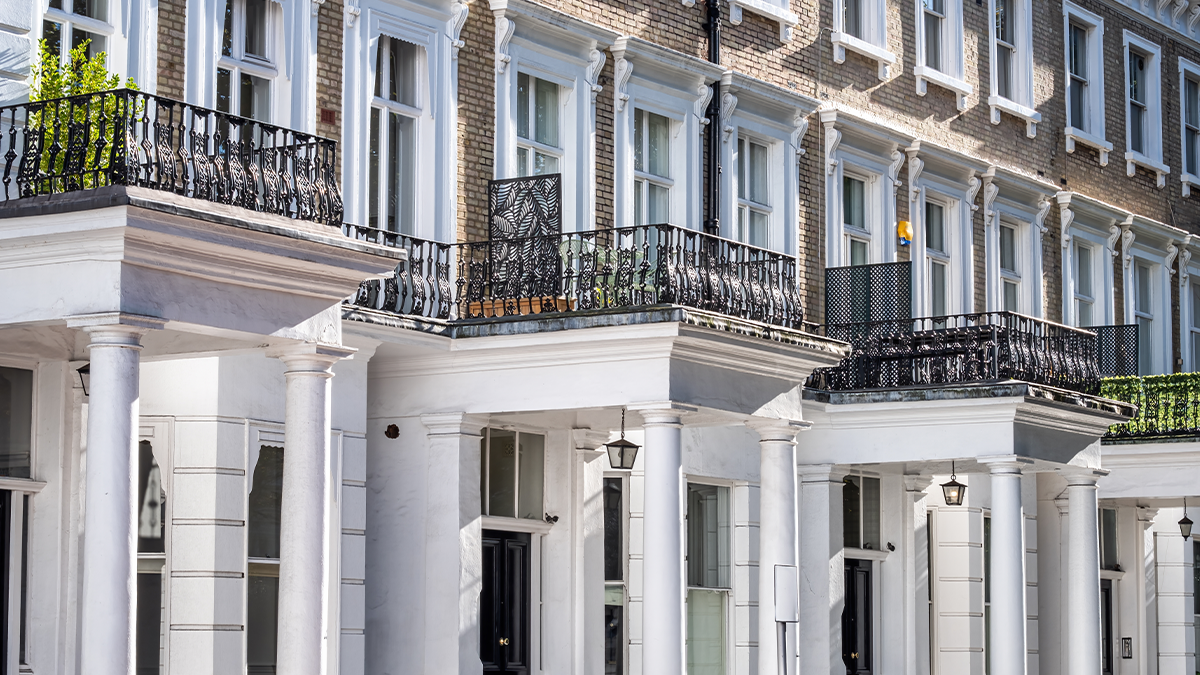
Property has always been the backbone of family wealth in the Gulf region, and for good reason. It’s an asset the next generation can see and touch, unlike a share certificate or a fund statement.

John and Sarah moved to Dubai from London in 2015. He runs a consultancy through a Dubai free zone company; she works for a regional bank. They own an apartment on the Palm, have savings in UAE bank accounts, and still hold a buy-to-let property in Surrey. They have been meaning to sort out their

For decades, we celebrated ideas in the business world. First-mover advantage, disruptive models, and proprietary technology were the markers of a business worth backing. These things still matter, but they have become easier to acquire and replicate, while the gap between a credible concept and a functioning business remains as wide and punishing as ever.

For the 10%–12% of people worldwide living with irritable bowel syndrome, and the many more with undiagnosed gut conditions, the standard medical response has too often been a shrug. No structural abnormality on the scan. No inflammatory marker in the bloodwork. Symptoms real, cause unclear.
Sign up for our free newsletter