As we look at the decade ahead, it’s exciting times for the Gulf. The diversification from hydrocarbons is no longer an idea for the future but a present-day reality. And many of the economies in the region are already seeing great benefits from this move away from oil dependence. It didn’t go unnoticed that when the BRICS countries decided to expand in 2023, two of the new key players joining them were Saudi Arabia and the UAE.
Investors and entrepreneurs have been watching these changes closely. Driven by ambitious national visions such as We are Emirates 2031 and Saudi Vision 2030, each of the six GCC countries has been developing at a pace that was previously hard to imagine.
With such radical changes in the air, this article looks at the opportunities that may arise over the next decade in the GCC and how investors and entrepreneurs can reap the benefits.
AI’s impact across all industries
Before we get into the individual industries, we need to address the impact of Artificial Intelligence. The World Economic Forum states that AI has the ‘potential to inject over USD 300bn into the Middle East’s GDP by 2031.’ So, it’s clearly going to affect every industry, whether that’s logistics companies being able to optimise supply chains in real-time; healthcare providing more personalised treatment plans; or the development of smart cities and smart transport solutions.
But it’s not just about having AI for the sake of it. Entrepreneurs and investors who create or back region-specific solutions have an excellent opportunity to gain a competitive edge in the growing GCC tech startup landscape.
In real terms, this means understanding local datasets, regional languages, and the subtle nuances of local cultures. Having a strong grounding in the operational realities of GCC businesses will also be key. Once this is in place, you will have a solid starting point to create solutions that feel like they spring from the region, rather than just imports that don’t fit local consumer needs.
Beyond hydrocarbons: the push to sustainability
Sustainability is embedded in the national visions and agendas of the GCC governments, none more so than the UAE and KSA. But it goes far beyond simply reducing the reliance on revenue from hydrocarbons. While 2024 saw Gulf nations grow their non-fossil fuel industries by 3.7%, the nations in this region are also aiming to lead the charge in developing sustainable alternatives.
The UAE has been a regional leader in this regard for some time. It was the first country in MENA to fully set out its sustainability objectives through its ‘UAE Net Zero by 2050’ initiative, and while oil and gas will continue to generate substantial revenue over the next decade, it will be the entrepreneurs and investors focusing on alternative energy who will be most aligned with the nation’s strategic visions for the future. This is especially true for early movers who can demonstrate expertise in clean energy technologies.
International business visitors and tourists
By 2030, it’s projected that the GCC will welcome over 128 million travellers. The UAE and Saudi Arabia, in particular, are setting ambitious targets to increase visitor numbers. This is already showing results – KSA increased its international tourists by 56% from 2023 to 2024, while in the UAE, tourism made up 12% of national GDP in 2024.
The other key drivers of this boom are the unique landscapes, experiences and histories of the region. Because of this, the ‘special interest’ tourism sector is growing rapidly, increasing from USD 1bn in 2025 to a projected USD 5.9bn by 2035. Add to this the fact that the region has become the go-to option for mega-events like global trade fairs and international sporting events, and it’s likely the next ten years will see a continued influx of high-spending travellers and business visitors.
For investors and entrepreneurs, the tourism space offers opportunities far beyond hotels and resorts. Travel-tech platforms, niche special interest experiences, cultural experiences, as well as eco-tourism will all be welcomed in a region that wants to compete beyond the typical ‘sun and shopping’ offerings. The GCC’s growing middle class, plus the increase in international visitors, means demand for both high-end and affordable experiences is likely to expand at the same time.
Tech-driven healthcare
Healthcare spending in the region is projected to reach USD 135.5bn by 2027, with the industry on the brink of a huge transformation. Because of this, the next decade will see accelerated investment in advanced medical technologies, digital health platforms, and preventative care. There is also a move towards specialised care centres, given the ageing population and lifestyle-related health issues. In addition, the UAE and Saudi Arabia are positioning themselves as regional leaders in medical tourism.
For entrepreneurs and investors, the healthcare sector presents both scale and stability. Opportunities will emerge in AI-driven diagnostics, telemedicine platforms, wellness and rehabilitation services, and niche areas such as genomics and personalised medicine. The demand for local manufacturing of pharmaceuticals and medical devices will also grow, reducing dependency on imports and simplifying supply chains.
Finding a niche in the financial sector
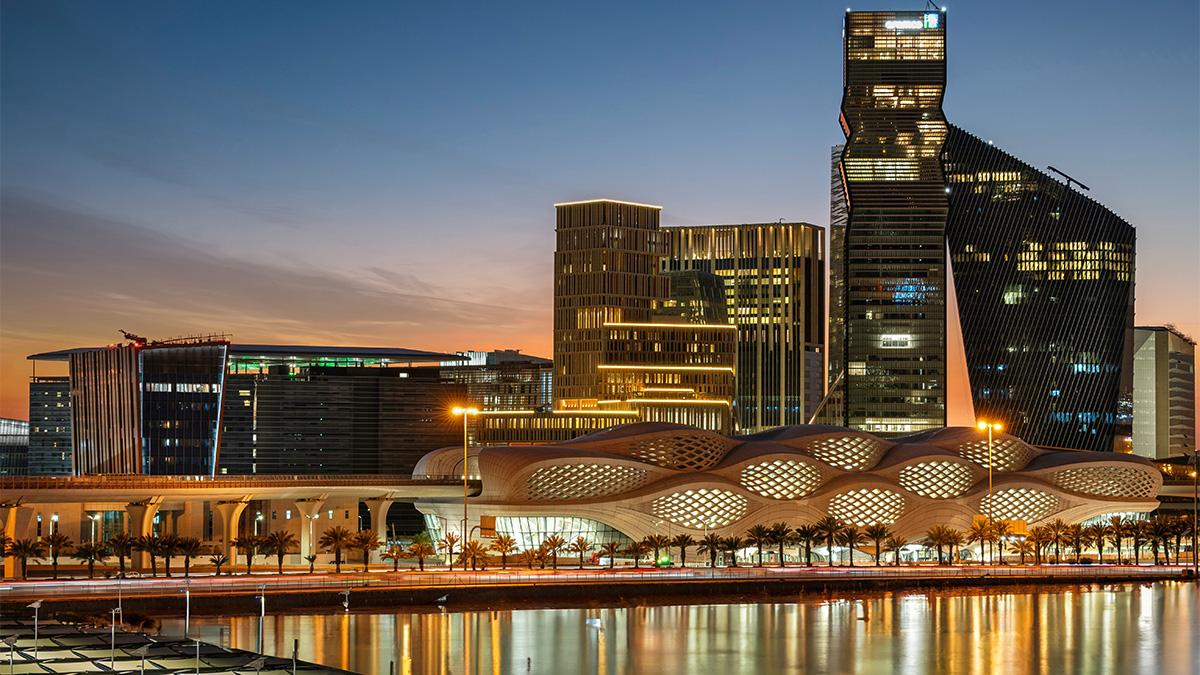
The GCC’s financial sector is fuelled by the economic diversification we have already discussed. Over the next decade, financial centres such as Dubai International Financial Centre (DIFC) and Riyadh’s King Abdullah Financial District will increasingly compete with established hubs in Europe and Asia for capital flows and talent.
The expansion of sovereign wealth funds, combined with growing private equity and venture capital ecosystems, will create more funding channels for businesses of all sizes. Also, there is an increasing focus on Sharia-compliant finance, which will continue to attract both Muslim and non-Muslim investors alike seeking ethical investment options.
For investors and entrepreneurs, opportunities in GCC finance will extend far beyond traditional banking. Fintech, insurtech, regtech, and blockchain-based platforms will see heightened demand as both consumers and companies seek faster and more secure financial solutions.
With parts of the local populations unbanked, solutions which serve these future consumers will flourish, along with innovations in cross-border payments, green finance, and SME-focused lending platforms. Entrepreneurs who can navigate the regulatory landscape while introducing globally competitive financial technologies will find a market that rewards innovation.
Approaches for the GCC investor and entrepreneur
Let’s now look at three areas for investors and entrepreneurs to keep in mind over the next decade in the GCC:
- Think longer-term: The next decade is likely defined by major shifts, so investors and entrepreneurs who prioritise long-term positioning over immediate returns will gain an advantage.
- Think sustainability: ESG considerations are no longer on the side – they are front and centre in GCC governments’ priorities. Businesses that integrate environmental and social impact into their core operations will have greater access to markets.
- Think experimentation: Success depends on the willingness to iterate and adapt while creating solutions tailored to local realities rather than importing generic thinking and models.
Positioning for 2035 and beyond
The Gulf is moving quickly, and the decade ahead will reward those who move faster and identify opportunities that others do not. For investors and entrepreneurs, this is a rare moment and the chance to participate in one of the most ambitious economic evolutions of our time.