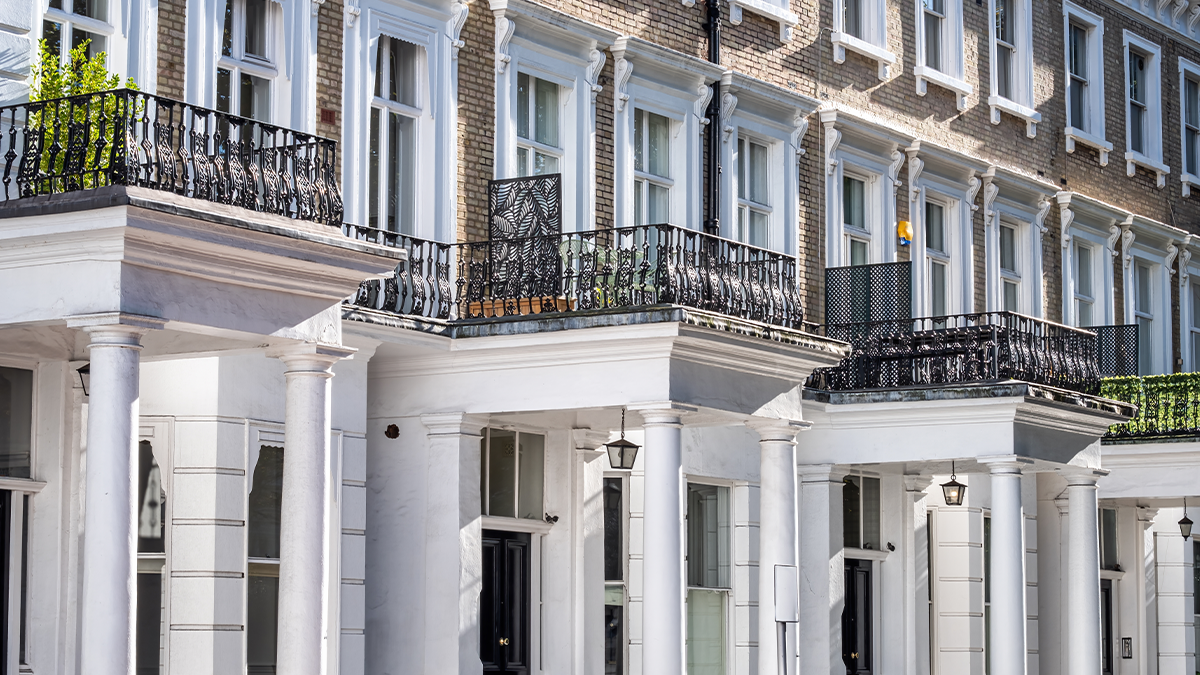
Property has always been the backbone of family wealth in the Gulf region, and for good reason. It’s an asset the next generation can see and touch, unlike a share certificate or a fund statement. It holds its value across cycles in a way cash and stocks rarely do, being easy to divide and transfer, and simple to explain to the children who will one day inherit it.
Gulf families now have more options than ever for their property investments, but only some of them build wealth that lasts generations.
Diversification isn’t a new idea – it’s just getting bigger
Gulf family businesses have never been shy about spreading their bets. The PwC Middle East Family Business Survey found that 50% of the region’s family businesses operate across multiple sectors and countries, double the global average of 25%. The instinct to avoid keeping a family fortune in a single location, sector, or currency is the same drive currently pulling capital towards the UK.
And it’s not a trickle. Gulf investors have been among the most active buyers in the UK property market over the past two years, with bankers describing a sharp uplift in GCC investment flow into UK real estate as political stability returned and rates began to ease. A recent survey of high-net-worth investors across Saudi Arabia, Qatar and the UAE found that nearly a third had bought London property in the past year alone, ahead of New York, Paris, and Los Angeles. This may once have been a fringe strategy, but it is becoming a fairly standard line item in how seriously Gulf money thinks about balance.
Why the UK is so attractive
Ask ten Gulf investors why they like UK property, and you’ll get ten slightly different answers, but they tend to circle the same three things. First, ownership that behaves like ownership. In other words, freehold titles, a legal system with centuries of precedent, and courts that resolve disputes in a predictable way. Second, a currency and asset base that moves independently of regional cycles, which is important to families who’ve lived through a few of those cycles. Third, income. UK commercial property in particular has become a growing focus, with Gulf capital flowing into logistics, warehousing and mixed-use assets that throw off steady, contracted returns rather than speculative upside.
This may sound like a UK sales pitch, but the sentiment is confirmed when comparing notes across multiple Gulf family offices: the UK consistently delivers on the exact priorities that regional wealth targets. And the appetite is no longer limited to trophy addresses in central London. Gulf buyers have been broadening out into the suburbs and regional UK cities, chasing better yields and lower entry prices rather than just prestige. That shift tells you something about the mindset behind the money, suggesting that this is capital looking for a home for the long haul, not a headline asset to mention at a dinner party.
Building a legacy based on history
Property investment aside, a connection to the UK is nothing new for many Gulf families. A significant number of these households establish ties to the country long before purchasing real estate, primarily because their children are already studying or living there. Tens of thousands of Emirati students study abroad each year, and the UK has long been one of the most popular destinations for them, alongside the US and India.
So, for many families, buying property in the UK isn’t the start of a new chapter but the formalising of one that’s already open. A flat near a university city, a house the family stays in during summer, an asset that does double duty as both an investment and a base – this is less “global diversification strategy” and more “we’re already here, so let’s stop renting.”
There’s a governance angle too, and it’s one the region is wrestling with. PwC’s NextGen research found that fewer than four in ten young family members in Dubai family businesses were confident their family had an actual succession plan in place, and many weren’t even involved in shaping one when it existed. A property portfolio that’s clearly structured, well documented, and split across jurisdictions does some of that succession work automatically. It’s harder to argue over, easier to divide fairly, and it doesn’t rely on one country’s rules or one generation’s memory to hold together.
Keeping the mechanics boring, on purpose
The families who get the most out of this don’t over-engineer it. Structuring UK purchases through the right ownership vehicle, understanding cross-border tax exposure before it becomes a surprise, and working with advisors who’ve done this before are all more important than timing the market. The investors doing this well treat it the way they’d treat any serious allocation decision: methodically, with proper advice, and without romanticising it.
This is also where a lot of families trip up. It’s tempting to treat the first UK purchase as a one-off, a nice-to-have, bought on a trip. But a portfolio, by definition, is a set of decisions meant to work together: the ownership structure of the first property should already be thinking about the second, the third, and whoever eventually inherits them. Getting proper advice early, rather than untangling an informal setup years later, is the difference between a portfolio and a few random buildings.
Thinking beyond one generation
Spreadsheets and yield comparisons aside, the real question a family is answering with a portfolio like this isn’t “did we get good returns?” It’s “what does this tell the people who inherit it?” A single building in a particular city says one thing; a portfolio that spans Dubai and London, structured properly, held with intention, and connected to where your children are studying and living, says something else entirely. It says that the family thought further ahead than one generation and built accordingly.
This is not a UK, Gulf or country-specific story. It is a universal family story, and one that families in this region have always told. The map has simply become bigger.