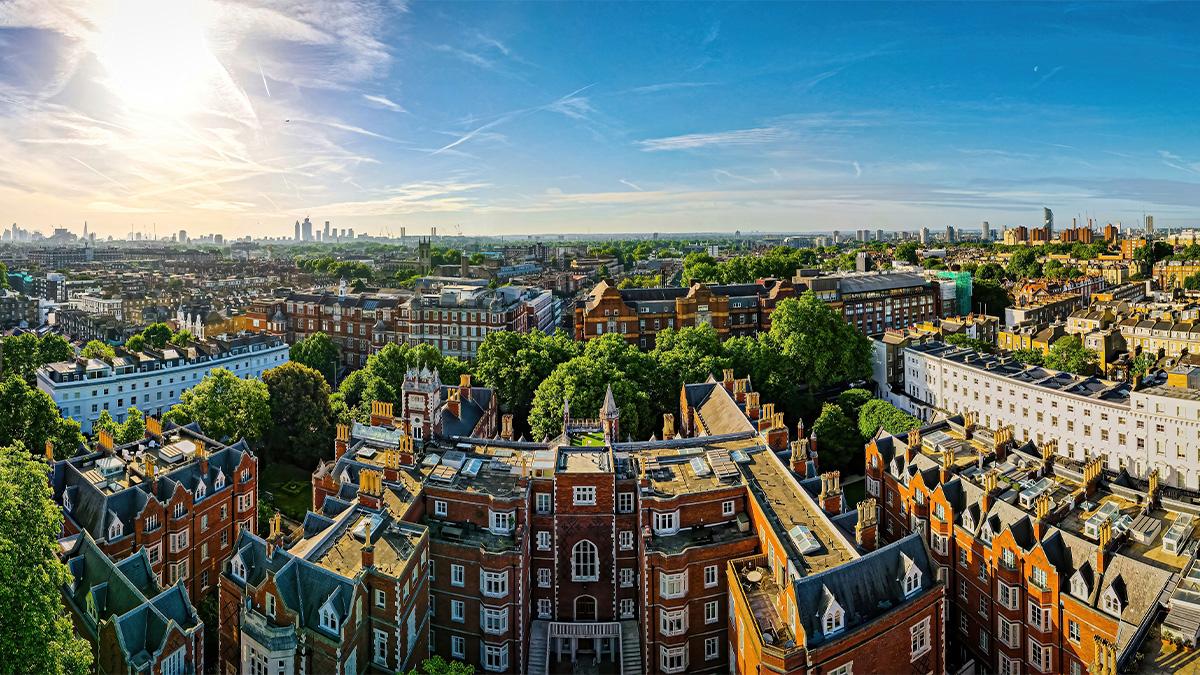
The frantic scenes often played out on the floors of stock exchanges around the world, with arm-waving dealers shouting ‘Buy!’ and ‘Sell!’, are never seen in real estate investment. This is an altogether slower, more considered market than the trading of stocks and shares. Successfully investing in international property isn’t about getting in and out quickly to make a fast buck.
Instead, successful international property investors are driven by the long-term potential for significant profits. Their objective is to get into markets at the right time and build a solid asset portfolio that will yield longer-term gains for their clients.
Time and again, the property landscape has shown its resilience – cities as diverse as Hong Kong, Sydney and London, as well as the UAE, have gone through the inevitable cycles, but ultimately, for investors prepared to hold their nerve over a longer investment period, there are great gains to be made. Bricks and mortar talk, and investors and buyers are listening.
The characteristics of real estate
Death and taxes are said to be the only two certainties, but the need for residential accommodation comes a close third. The world is in constant flux – supply and demand are sometimes in balance, sometimes out of synch, and these shifting patterns typify the real estate landscape. But not all locations are equal – while the popularity of some cities rises and falls, the market in other iconic locations, including London, is evergreen, offering consistent rewards.
The property mantra ‘location, location, location’ can refer to cities, their suburbs, or the broader region. Countries with stable political regimes are obviously a good starting point for investors, and where a political status quo exists, property is likely to offer good returns. Once an investor chooses a country in which they feel comfortable investing, the specific locale becomes the deciding factor. This is not to say that the most expensive and upmarket areas or developments are always the best choice – affordable housing projects that are part of some cities’ urban planning strategies also offer investment opportunities.
A property is a tangible asset – and unlike shares or futures, it is not vulnerable to crop failure, environmental impact, fads or trends for new gadgets and technology. A property remains a solid investment that can be leveraged for more investment. In London, which benefits from a mature banking and lending regulatory framework, real estate investors can leverage a lender-based market where investments are made without outright purchase, leaving capital available to use elsewhere. Assets beget assets, as each property purchase can be used as collateral for the next deal.
Characteristics of global real estate markets
Investing in global real estate requires some knowledge of prevailing geopolitical trends. There was a time when France and Italy were popular second home choices for those domiciled in the UK, but post-Brexit, the benefits of property ownership in Europe are more complicated. For British investors, opportunities may now lie elsewhere, and markets such as the UAE may be worth investigating.
When looking to buy a property as an investment, it is better to go with an established market whose tax processes and legislation are robust, and the status of an offshore investor is unambiguous. Territories, including the UK, that are economically stable and have favourable terms for foreign-owned real estate are the first choice of savvy real estate investors.
Values in key cities may occasionally fluctuate, but choosing one in which demand has been consistent, including major economic hubs such as New York, London and growth regions such as the UAE, is a less risky option.
Characteristics of a successful international real estate investor
While risk is a factor in any investment, the risk tolerance and mindset of international real estate investors are all about long-term returns, not short-term gains. Using local knowledge and a network of contacts to stay ahead of the curve, real estate investors watch trends and patterns that may offer early off-market opportunities for their clients. They also monitor signals that might indicate changes in regulatory and policy environments that, along with currency fluctuations, can have a significant impact on the final price of a property.
A successful investor knows the difference between uncertainty and opportunity and will have a strategic focus on properties and developments in areas that they anticipate will see the greatest demand. In addition to seeing the bigger property picture, international real estate investors need to be meticulous administrators, guiding their clients through loan application processes, tax and other administrative requirements ahead of concluding a purchase.
A visionary real estate investor takes property ownership beyond being a landlord to building a diverse portfolio that maximises returns while minimising risk.
Legacy and impact beyond profit
Real estate investors and developers are often aligned in their vision for a particular area. Being part of the regeneration and revitalisation of a suburb can bring rewards beyond profit as sensitive ‘gentrification’ overhauls previously run-down areas and offers improvements in the lives of residents. Property also creates generational wealth for investors who build legacy portfolios that secure their families’ futures.