Over the last decade or two, it’s been fascinating to witness the evolution of high-quality, specialised healthcare in the GCC, a market in which the student or apprentice is fast emerging as the master. The establishment of international healthcare brands with clinical excellence in their field has transformed the UAE and GCC healthcare markets way beyond their initial, ad-hoc and random growth pattern. Where identical clinics and small hospitals once competed fiercely to provide basic primary care in an emerging market, a new, more sustainable maturity is now sweeping the region.
With strong brands well known for clinical excellence in speciality care now well established and continuing to develop in the region, there’s a fascinating combination of two crucial features of the market: on the one hand, a steady strengthening of patient confidence in the high quality of regional speciality care and, on the other, a market confidence, expertise and infrastructure that is challenging the historic clinical centres of excellence (CoEs) around the world. In other words, Emiratis are no longer travelling abroad to receive neurological, spinal, orthopaedic or transplant treatment – they’ve become increasingly confident in the specialities on offer at home, while inbound medical tourists from the US, Europe and Asia flock to the UAE for those same procedures.
The evolution underway is partly due to better regulation and business confidence, population growth and a slowly ageing patient base, as well as the ability to attract top-flight talent and the resulting high levels of patient confidence.
Given the likelihood that the GCC, once an emerging market in healthcare, could genuinely challenge those historic CoEs within a decade or two, are we really seeing a bona fide race to the top?
The relentless growth of clinical CoEs and differentiation: where are we now?
When it comes to recognised and acclaimed leaders in a particular clinical field, Moorfields Eye Hospital demonstrates how the local healthcare market has, and should continue to, develop. Established in Dubai in 2007 and in Abu Dhabi in 2022, its opening marked a noticeable shift away from the proliferation of facilities with low levels of clinical acuity to a market increasingly hosting regional branches, subsidiaries or franchises of internationally recognised super-facilities with stellar reputations for specialised clinical excellence.
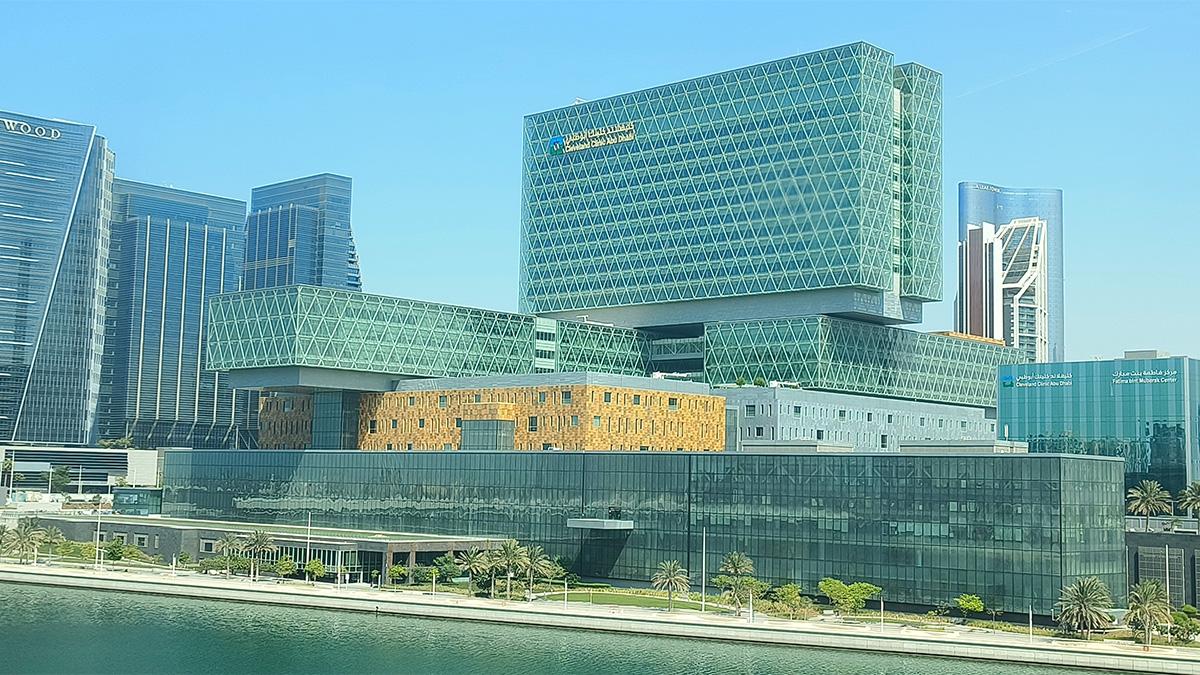
In 2015, Cleveland Clinic opened the UAE’s flagship tertiary-care hospital in Abu Dhabi, specialising in cardiology and oncology, to attract Emirati patients who might otherwise travel overseas for care and to signal, alongside other specialist providers, a commitment to building reliable, high-quality care within the UAE.
King’s College Hospital, UAE, backed by a long history of excellence in the UK, specialises in paediatric orthopaedic surgery, neurosurgery and gynaecology, and is currently building a dedicated specialist oncology hospital.
The American Hospital in Dubai has established an enviable reputation in cardiology and oncology, as well as specialist treatment in paediatric endocrinology. Tarmeem Orthopedic and Spine Speciality Hospital in Abu Dhabi offers treatment for complex orthopaedic cases, while Burjeel has dedicated centres in orthopaedics and other sub-specialities including bariatric and metabolic surgery, transplant and oncology.
The hospital I lead, CMC Dubai, one of the finest speciality hospitals in the region, is a centre of excellence in orthopaedic and neuro spinal surgery. An exclusive partnership between CMC Dubai and Orthocure offers patients some of the very best western-trained surgeons in the UAE, and the hospital’s robotic centre of excellence, equipped with the Da Vinci Robotic System, allows minimally invasive surgery where appropriate.
John Hopkins Medicine, in partnership with Aramco, is building new centres of excellence in the eastern region of Saudi Arabia under the brand John Hopkins Aramco Healthcare (JHAH), with the aim of both improving healthcare delivery in the GCC region, and to serve as exemplars of clinical excellence. The first department to open will be its Oncology Center of Excellence, with others to follow.
What these examples demonstrate is that, to survive and thrive, clinical differentiation, high acuity and an international reputation for excellence are indispensable for sustainability and profitability.
Why is clinical differentiation paramount?
Specialised clinics don’t just offer the highest international standards of patient care: they are beginning to change the healthcare landscape when it comes to the sustainability of private facilities across the region. That’s because a strong sense of clinical differentiation helps attract both local patients and medical tourists – in 2023, medical tourism contributed approximately USD 280 million to Dubai’s private healthcare system. That has been helped, at least in part, by the government’s moves to position the UAE as a prime destination for medical tourism, attracting around 700,000 medical tourists in 2023. With the growth in specialised CoEs, coupled with Dubai’s location within an 8-hour flight of two-thirds of the world’s population, those medical-tourist figures will continue to climb.
More astute local operators are increasingly recognising that the higher value of complex surgery is more sustainable than high volumes of similar and basic clinical procedures in small secondary-care facilities. Sustainability is a key concern here, and it demands a strong reputation for medical excellence to continue attracting home and overseas patients. Operators attracted by the high value of complex surgery also recognise the current and perilous oversupply of private clinics with low levels of acuity.
Dubai’s licensing authority continues to grant licences for new clinical facilities regardless of acuity, with over 150 issued in the first quarter of 2023 alone, so it’s probably little surprise that we’ve witnessed unprecedented growth in private facilities in the UAE over the last decade, with 65% more new facilities than we had in 2016. Of the UAE’s 117 private hospitals, Dubai and Abu Dhabi host 88, and many are struggling to achieve sustainable occupancy rates.
Sustaining a global clinical hub
From an investment point of view, we’re seeing a combination of strong confidence in the region’s demographics, economies and business environments for major investment in specialised healthcare infrastructure, as well as an ability to attract top global talent to the region. One of Germany’s foremost spinal surgeons and world leader in artificial disc replacement, Professor Rudolf Bertagnoli, is moving his international practice, Prospine, to CMC Dubai. The hospital is constantly approached by leading international institutions, with international consultants, professors and entire medical teams wanting to relocate from underfunded and bureaucratic jurisdictions to an entrepreneurial GCC. These aren’t junior medics keen to leave Europe or the US for quality-of-life considerations – as with Professor Bertagnoli, they are highly experienced global healthcare leaders with stellar reputations in clinical techniques, practices and research who want to further develop their medical practices within a supportive environment with a growing reputation as a centre of excellence, where funding is available and demand is building.
For wholesale clinical teams from overseas, the ease of moving to the region has been dramatically simplified by the introduction of golden visas and the opportunity for UAE expats to enjoy eventual retirement in the UAE. The country’s continued success in attracting high-net-worth individuals to take up residency as they look to escape high-tax jurisdictions with crumbling state healthcare systems is also helping drive demand for local excellence in multiple clinical disciplines and high-tech procedures.
From student to master: the unstoppable evolution
The move from an ad-hoc growth market of near-identical facilities providing the same basic care to one that is increasingly maturing and challenging the historic global centres of excellence is an encouraging evolution to witness.
Nevertheless, we need to continue attracting specialist providers that can match the reputations and sustainability models of brands like John Hopkins-Aramco, Cleveland Clinic, Mayo Clinic, King’s College Hospital, Moorfields and CMC. Providers will achieve sustainability by focusing on the highest international clinical standards to drive revenue from complex surgery, rather than chasing diminishing patient volumes in ultra-competitive, low-acuity fields.
With such a proliferation of private hospitals in Dubai alone, it’s possible that not all will respond to the need to focus on high-quality specialised healthcare, and it’s not plausible to expect all of them to be recognised as true CoEs. But those who can will be well prepared for the inevitable future landscape of private healthcare in the GCC.